Alcohol and Zoloft: Medication Risks, Interactions, and Guidelines







What you will learn
- Zoloft is a commonly prescribed antidepressant that can treat depression and other mental health conditions.
- Zoloft is a selective serotonin reuptake inhibitor (SSRI) that has side effects and risks, including potential interactions with other substances.
- Alcohol is a central nervous system (CNS) depressant that can worsen depression and anxiety symptoms and potentially exacerbate Zoloft side effects.
- Mixing alcohol and Zoloft can cause dangerous effects, including worsened side effects and possible overdose.
- Zoloft can cause withdrawal symptoms if stopped suddenly, while alcohol can cause dependence and withdrawal if stopped suddenly.
- You should not drink while on Zoloft as these two drugs can counteract each other or worsen the effects of each.
Zoloft (sertraline), a selective serotonin reuptake inhibitor (SSRI), can be used to treat depression, but it comes with side effects and risks like potentially dangerous interactions. It is not safe to consume alcohol while on Zoloft. Alcohol can worsen depression and anxiety symptoms and exacerbate Zoloft side effects. Should you choose to consume alcohol while taking Zoloft, you should do so only after consulting with your healthcare provider and understanding the potential risks, and then alcohol consumption should only be in moderation.
Learn more about the medication risks and guidelines for Zoloft and alcohol use.
What Is Zoloft?
Zoloft (sertraline) is an antidepressant prescription medication known as a selective serotonin reuptake inhibitor (SSRI). It is approved by the FDA to treat numerous depression and anxiety disorders, including major depressive disorder (MDD), post traumatic stress disorder (PTSD), premenstrual dysphoric disorder (PMDD), panic disorder with or without agoraphobia, social anxiety disorder, and obsessive-compulsive disorder (OCD).[1]
Zoloft inhibits serotonin reuptake at the presynaptic neuron, increasing serotonin levels in the synaptic cleft.[2] They also induce neuroplasticity, the ability of the neural networks to change through growth and reorganization – essentially “rewiring” the brain to function differently.[3]
Zoloft can have some side effects, however, including nausea, lethargy, dizziness, appetite changes, dry mouth, joint and muscle pain, diarrhea, and sleep disturbances. With proper use, Zoloft can ease anxiety, improve mood, and calm obsessive behaviors.
The Relationship Between Alcohol and Depression
Alcohol use and depression have a bidirectional relationship, which means they can influence and impact one another.[4] It’s common for depression and alcohol use disorder to occur simultaneously, but the presence of one can increase the risk of the other. Alcohol use disorders and depressive disorders are among the most common co-occurring disorders.
Similar genetic and environmental factors can contribute to the development of alcohol use disorder and depression, which could be why they often co-occur. It’s also common for people with depression to self-medicate with alcohol use to feel better. Though this works temporarily, depression is often worse once the effects of alcohol use subside. This leads to more alcohol use, deeper depression, more alcohol use, and so on, creating a cycle and potential addiction.
Alcohol and Zoloft Interactions
Drinking alcohol while taking medications like Zoloft can have unpredictable effects. Zoloft increases the levels of serotonin in the brain, but alcohol can interfere with the effects of Zoloft and worsen depression symptoms.[5]
Alcohol also amplifies the side effects of Zoloft, leading to dizziness, drowsiness, and impaired motor control. Combined with the effects of alcohol, this increases the risk of injuries from driving or performing other tasks. Combining alcohol with Zoloft can lead to severe side effects such as extreme drowsiness, dizziness, and impaired motor skills, increasing the risk of accidents and injuries.
Aside from these risks, drinking alcohol on Zoloft can affect your adherence to the medication. As a result, you may experience suicidal thoughts or actions, impulsivity, and other adverse effects.
Symptoms of Drinking on Zoloft
Drinking while taking Zoloft is not recommended for the following reasons: [6]
- Drowsiness and Sedation: Zoloft and alcohol both have the effect of making you drowsy and less alert. Pairing them together can cause the effects to be intensified.
- Alertness and Thinking: Mixing Zoloft and alcohol will affect your coordination, judgment, reaction time, and motor skills more so than drinking alcohol on its own. The combination of alcohol and Zoloft causes you to feel sleepy, and lowered focus and alertness can result in dangerous situations should you try to drive or do other tasks that require a high level of attention to be done safely.
- Depression and Anxiety: Alcohol is a central nervous system depressant, while Zoloft is an antidepressant. Drinking is counteracting the benefits of taking Zoloft, making it more difficult to treat your symptoms of depression. While alcohol may feel like it is improving your mood in the moment, overall, it increases symptoms of anxiety and depression.
- Side Effects Worsen: Mixing alcohol and antidepressants can result in worsening Zoloft side effects. Common Zoloft side effects include dizziness, nausea, diarrhea, dry mouth, sweating, fatigue, sleeping difficulties, sexual dysfunction, and tremors. In rare cases, side effects may include fainting, confusion, and hallucinations. All of these side effects can be enhanced with alcohol.
- Added Danger with MAOIs: Monoamine oxidase inhibitors (MAOIs) are another type of antidepressant that, when combined with alcohol or certain foods, can cause dangerous spikes in blood pressure. If you take MAOIs, it is necessary to talk to your healthcare provider and have a clear understanding of what is safe for you to eat and drink and what you must avoid.
Can I Safely Have One Drink on Zoloft?
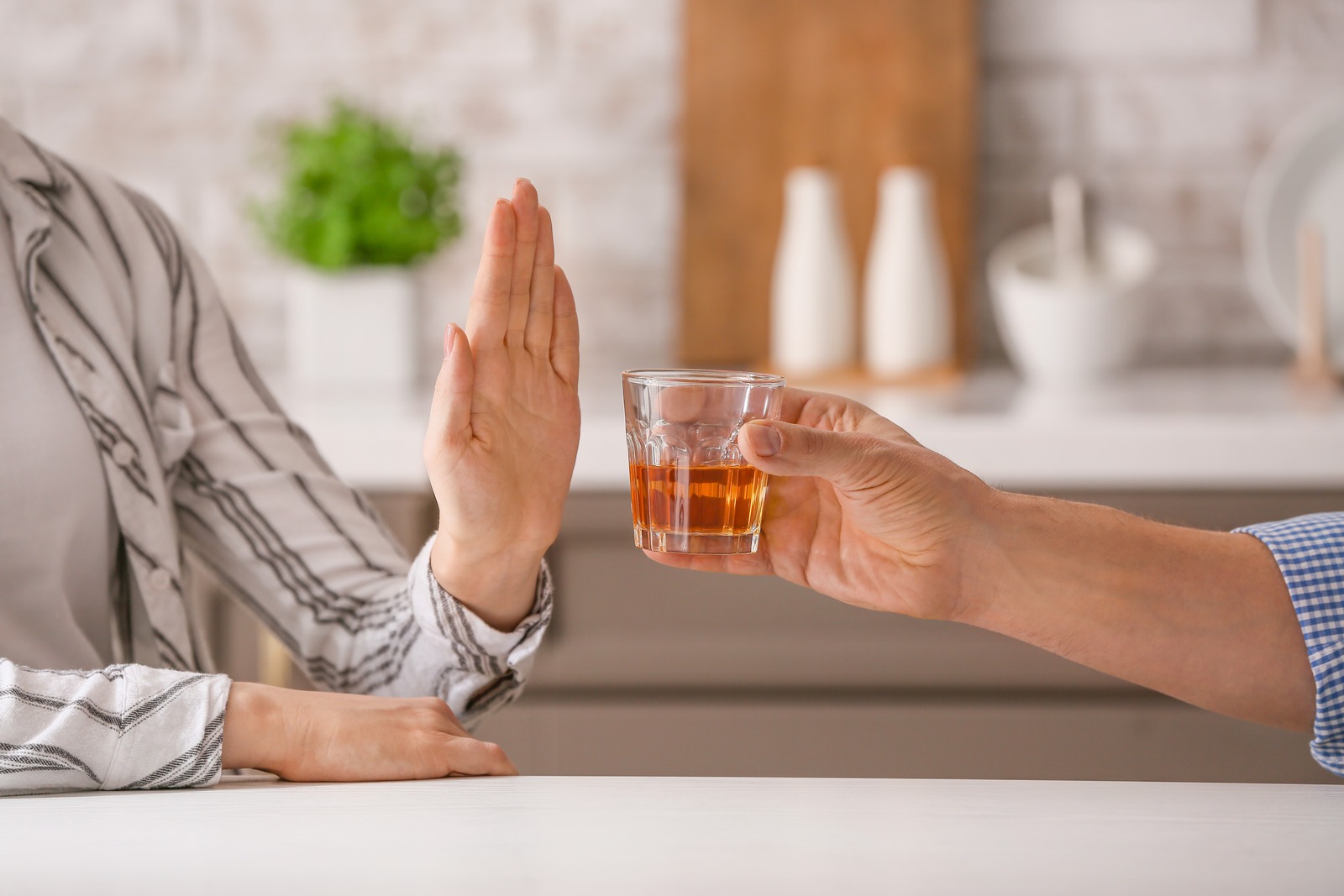
Some healthcare providers make allowances for moderate drinking. Moderate drinking means one drink per day for women and two for men. A drink is considered 12 ounces of beer, 5 ounces of wine, or 1 ounce of liquor/spirits.[7]
Additional precautions you can take should you choose to drink alcohol while taking Zoloft include drinking slowly and eating food while drinking to reduce the effects of the alcohol. It is not recommended to combine alcohol with your Zoloft until you know how it affects you. It is common to experience drowsiness, dizziness, and less alertness when taking Zoloft. If you experience those side effects, they will worsen when combined with alcohol.
You may not be able to tolerate the combined effects of alcohol and Zoloft, and if you choose to combine them, you will be unable to complete tasks such as driving. It is important to be aware that any amount of alcohol, even one to two drinks, can affect you when you are taking Zoloft.
Additional Dangers
Combining alcohol with Zoloft can be dangerous. Alcohol can cause depression itself and may interfere with the effectiveness of Zoloft. Mixing alcohol and Zoloft can increase the risk of suicidal thoughts and behaviors.
Sometimes, the liver can be overwhelmed when alcohol is combined with antidepressants such as Zoloft, potentially leading to serious toxicity.[8]
Serotonin Syndrome is a build-up of serotonin levels in your body that can be life-threatening if not treated promptly.[9] Too much serotonin in your body can cause mild symptoms (shivering and diarrhea) to severe symptoms (muscle rigidity, fever, and seizures). Severe serotonin syndrome can be life-threatening if not treated. Serotonin syndrome can be a result of taking too high a dose of antidepressants or combining antidepressants with other drugs or medications. Symptoms include:[10]
- Agitation or restlessness
- Insomnia
- Confusion
- Rapid heart rate and high blood pressure
- Dilated pupils
- Loss of muscle coordination or twitching muscles
- High blood pressure
- Muscle rigidity
- Heavy sweating
- Diarrhea
- Headache
- Shivering
- Goosebumps
Severe, life-threatening serotonin syndrome symptoms include:[11]
- High fever
- Severe tremor
- Seizures
- Irregular heartbeat
- Unconsciousness
When Can I Start Drinking Again After Stopping Zoloft?
It’s important not to skip a dose of Zoloft just to drink alcohol. Missing doses of an SSRI can cause withdrawal symptoms, including anxiety, headache, restlessness, flu-like symptoms, balance issues, irritability, nausea and vomiting, pins and needles sensations, and feelings of electrical shocks.
Zoloft takes several days to eliminate from the body completely. If you skip doses for even just a few days, you’ll still have some in your system to interact with alcohol. For the average adult, Zoloft takes 5 or 6 days to clear the body.[12] It can take longer if you have liver problems, are older, or have some other factors.
Should I Stop Drinking If I Take Zoloft?
It’s recommended to stop drinking if you’re taking Zoloft, but that can have risks if you struggle with alcohol addiction. If you’re dependent on alcohol, stopping suddenly or dramatically reducing your alcohol intake can cause you to go into withdrawal, which can have life-threatening complications like seizures and delirium tremens.
The same is true of Zoloft. Though not often viewed as addictive, regular Zoloft use can cause your body to become accustomed to its presence. Stopping suddenly can cause withdrawal symptoms, so a taper schedule under the guidance of a doctor is always recommended.
In this case, medical detox is often the best choice to stop alcohol and Zoloft safely. Detox provides a safe environment with medical supervision to keep you as comfortable as possible and minimize the risks of complications.
Once detox is complete, you can enter an addiction treatment program to treat alcohol addiction and depression. Some medications may be used during treatment to manage your symptoms, including antidepressants, and ensure you can focus on your therapies.
Seek Help for Co-Occurring Disorders
If you’re struggling with depression, alcohol addiction, or both, help is available. While drugs like Zoloft can be effective for treating depression, an integrated treatment plan can help you address the causes of addiction, learn to manage your thought patterns and behaviors and find a healthier path forward.
Frequently Asked Questions About Alcohol and Zoloft Interactions
No, there’s no safe way to drink while taking Zoloft. It can be dangerous to drink alcohol while taking any antidepressant, not just Zoloft. Always discuss your alcohol use with your doctor if you’re taking antidepressants.
There aren’t any antidepressants that are safe to combine with alcohol, so it’s best to avoid drinking completely while you’re taking antidepressants unless your doctor says it’s safe.
It’s not a good idea to skip your medication in general, especially not to drink alcohol. Skipping even one dose of antidepressants may cause withdrawal or side effects. The drug also takes longer than a day or two to clear your body, so it can still interact with alcohol.
Zoloft can have withdrawal symptoms if your body develops a physical dependence or gets used to the presence of the drug. Zoloft withdrawal can last anywhere from a few days to a few weeks after the last dose, depending on how long you’ve been on the drug and your body chemistry. Tapering off of Zoloft under the guidance of a doctor is recommended to minimize withdrawal symptoms.
It’s likely that many people drinking alcohol while taking Zoloft simply don’t realize the possible risks of combining these substances. For others, these substances may be mixed to achieve euphoria, though this is extremely dangerous and temporary. Once the effects wear off, there may be worsening depression and side effects.
If you are consuming any alcohol while taking Zoloft, you should talk through the risks with your healthcare provider right away. If you are struggling to moderate your alcohol use while taking Zoloft, you should talk to your healthcare provider about substance use treatment, including behavioral therapy and support groups.
Your healthcare provider can make recommendations for reducing your alcohol consumption, provide referrals to treatment programs, and give you tips for talking with your loved ones about your decision to reduce your alcohol use and how they may support you in this change.
Ascendant New York Editorial Guidelines
Here at Ascendant New York, we understand the importance of having access to accurate medical information you can trust, especially when you or a loved one is suffering from addiction. Find out more on our policy.
[1,8] NAMI (2024). Sertraline (Zoloft). Retrieved from https://www.nami.org/about-mental-illness/treatments/mental-health-medications/types-of-medication/sertraline-zoloft/
[2] Singh HK, Saadabadi A. Sertraline. [Updated 2023 Feb 13]. In: StatPearls [Internet]. Treasure Island (FL): StatPearls Publishing; 2024 Jan-. Retrieved from: https://www.ncbi.nlm.nih.gov/books/NBK547689/
[3] Harmer, C. J., Duman, R. S., & Cowen, P. J. (2017, May). How do antidepressants work? New Perspectives for Refining Future Treatment Approaches. The lancet. Psychiatry. Retrieved from https://www.ncbi.nlm.nih.gov/pmc/articles/PMC5410405/
[4] Kuria, M. W., Ndetei, D. M., Obot, I. S., Khasakhala, L. I., Bagaka, B. M., Mbugua, M. N., & Kamau, J. (2012, January 26). The association between alcohol dependence and depression before and after treatment for alcohol dependence. ISRN psychiatry. Retrieved from https://www.ncbi.nlm.nih.gov/pmc/articles/PMC3658562/ on 2024, June 12.
[5] Harmful interactions: Mixing alcohol with medicines. (n.d.-a). Retrieved from https://www.niaaa.nih.gov/sites/default/files/publications/Harmful_Interactions.pdf on 2024, June 12.
[6] Hall-Flavin, D.K. (2017). Antidepressants and alcohol: What’s the concern? Retrieved from https://www.mayoclinic.org/diseases-conditions/depression/expert-answers/antidepressants-and-alcohol/faq-20058231
[7] About moderate alcohol use. (2024, May 15). Alcohol Use. Retrieved from https://www.cdc.gov/alcohol/about-alcohol-use/moderate-alcohol-use.html
[9,10,11]Mayo Clinic (2022) Serotonin Syndrome. Retrieved from https://www.mayoclinic.org/diseases-conditions/serotonin-syndrome/symptoms-causes/syc-20354758
[12] Harvard Health. (2022, May 15). Going off antidepressants. https://www.health.harvard.edu/diseases-and-conditions/going-off-antidepressants